中文简体
中文简体 Français
 عربى
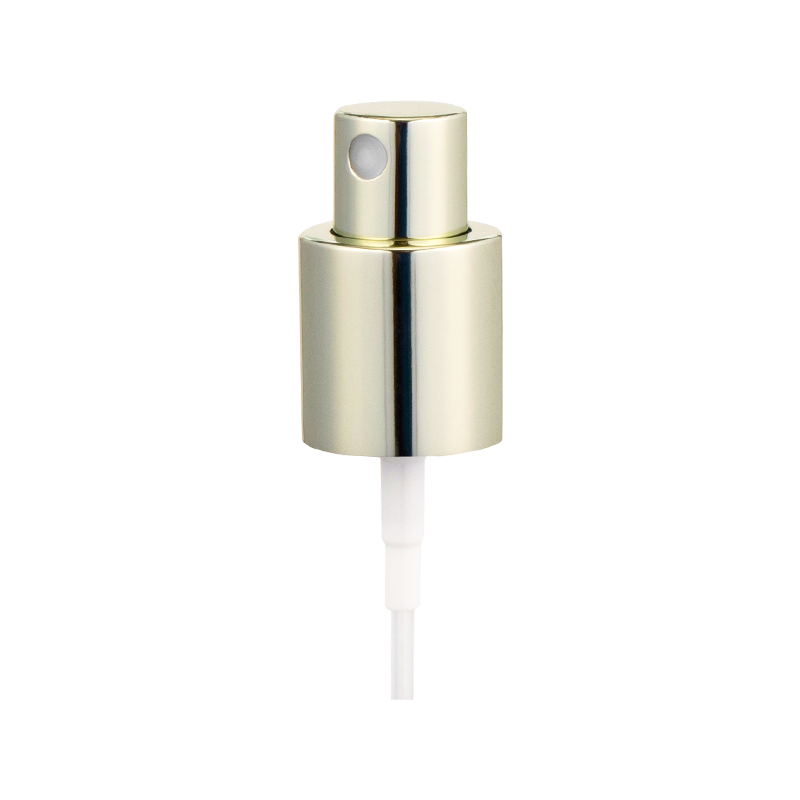
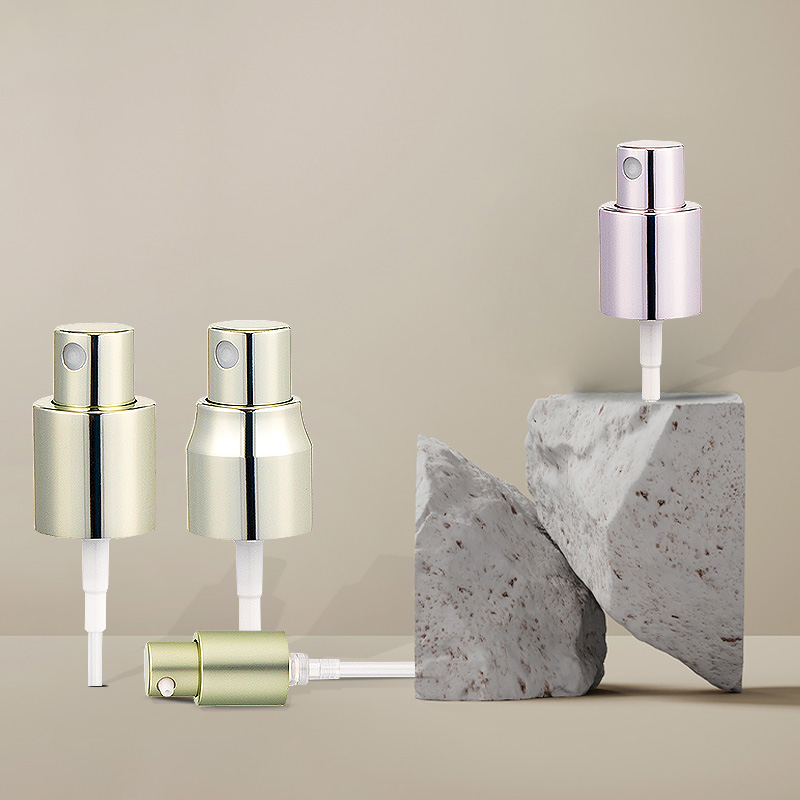
عربىElectrochemical Aluminum Mist Spray Pump

In the evolving landscape of fluid handling technology, electrochemical aluminum emulsion pumps represent a specialized and advanced class of devices designed for precise, non-mechanical fluid control. Unlike traditional pumps that rely on moving mechanical parts like pistons or gears, these systems utilize the fundamental principles of electrokinetics—particularly electroosmosis and electrohydrodynamic (EHD) flow—to generate controlled fluid motion. The core of this technology often involves components made from or incorporating aluminum and its alloys, such as anodic alumina, which is prized for its ability to form highly ordered, nano-porous structures. These pumps are engineered to handle complex fluids, notably emulsions (mixtures of two immiscible liquids like oil and water), with high precision and minimal shear stress, making them invaluable in fields ranging from advanced laboratory research to specialized industrial processes. Their operation is intrinsically linked to the interplay between electric fields, surface chemistry, and fluid properties, offering a unique solution where conventional pumping mechanisms fall short.
The operation of an electrochemical pump for emulsions is grounded in two primary electrokinetic phenomena: Electroosmosis and Electrohydrodynamic (EHD) Flow. Electroosmosis occurs when an applied electric field interacts with the intrinsic electrical double layer at the interface between a solid surface (like the wall of a microchannel or a porous membrane) and a liquid. This interaction induces a net body force on the liquid, causing it to flow. This principle is the basis for many low-voltage electroosmotic pumps, which can be constructed using porous anodic alumina membranes to achieve high flow rates at relatively low applied voltages. Electrohydrodynamic (EHD) pumping, on the other hand, relies on the interaction of an electric field with free charges in the fluid bulk or at fluid-fluid interfaces (like in an emulsion). When an AC or DC electric field is applied to an emulsion, the field distorts around the suspended droplets (e.g., oil in water), generating effective tangential forces that can induce bulk fluid motion. Research has demonstrated that this method can effectively pump oil-in-water emulsions in microchannels using relatively low AC voltages (e.g., 15-40 V peak-to-peak). The choice between these mechanisms depends on factors such as the fluid's conductivity, the desired flow rate, and the system's scale.
| Mechanism | Driving Force Source | Typical Fluid Systems | Key Characteristics |
|---|---|---|---|
| Electroosmosis (EO) | Interaction of electric field with the electrical double layer at a solid-liquid interface. | Electrolyte solutions, buffer liquids. Often used with porous media like anodic alumina. | Requires charged surface; flow is highly dependent on surface chemistry (zeta potential); offers precise, pulseless flow. |
| Electrohydrodynamic (EHD) | Interaction of electric field with free charges or induced dipoles in the fluid or at droplet interfaces. | Dielectric fluids, emulsions (e.g., oil-in-water), insulating liquids. | Can pump non-conductive or weakly conductive fluids; effective for moving emulsion droplets; often uses AC fields. |
| Magnetohydrodynamic (MHD) Electromagnetic | Lorentz force from the interaction of an electric current and a perpendicular magnetic field. | Liquid metals (e.g., molten aluminum), highly conductive fluids. | Used for pumping molten metals in foundries; not typically for emulsions. Requires conductive fluid and magnetic field. |
The architecture of an effective electrochemical aluminum emulsion pump is a study in precision engineering, integrating materials science with fluid dynamics. A central and common component is the porous anodic alumina (PAA) membrane. Aluminum is anodized to create a self-ordered, honeycomb-like structure of nanochannels. This membrane serves multiple critical functions: it provides an enormous surface area for electroosmotic effects, acts as a frit to support pressure, and its surface charge (zeta potential) is key to generating electroosmotic flow. Flanking this membrane or integrated into microchannels are the electrodes, which are often made from inert metals like platinum or sometimes aluminum itself, to apply the controlling electric field. The pump body or microfluidic chip must be chemically compatible with both the emulsion and the electrochemical environment. For handling emulsions specifically, the design must also account for the behavior of droplets under electric fields. Research into EHD pumping of emulsions has utilized setups with parallel vertical electrode plates immersed in the fluid, creating an open microchannel where the electric field can induce a translational bulk flow of the emulsion. The combination of these elements—the tailored alumina membrane, strategically placed electrodes, and a carefully designed flow path—enables the controlled, non-mechanical pumping action.
Electrochemical pumps offer a compelling set of advantages that make them the preferred choice for specific demanding applications, but they also come with inherent limitations that dictate their scope of use. Their most significant benefit is the complete absence of moving mechanical parts. This leads to exceptionally reliable, pulseless, and quiet operation with minimal maintenance and a vastly reduced risk of contaminating sensitive fluids with wear particles. They provide exquisitely precise flow control, as the flow rate is directly proportional to the applied voltage or current, allowing for dynamic and rapid adjustments. This makes them ideal for lab-on-a-chip integration and micro-total-analysis systems (μTAS). However, these pumps are generally suited for low-flow-rate, high-precision scenarios rather than high-volume transfer. Their performance is highly sensitive to the fluid's properties—such as pH, ionic strength, and zeta potential—which can limit their use with highly variable media. Additionally, they can generate gas bubbles through electrolysis at the electrodes if not carefully designed, and the required electric fields can sometimes cause Joule heating in the fluid.
| Application Field | Specific Use Case | Why Electrochemical Pumping is Suitable |
|---|---|---|
| Microfluidics & Lab-on-a-Chip | Precise reagent delivery, cell manipulation, chemical synthesis on a chip. | No moving parts allows for miniaturization and chip integration; precise digital flow control enables complex fluidic protocols. |
| Emulsion & Colloid Handling | Transporting oil-in-water emulsions in purification or analysis systems. | EHD mechanism can directly actuate emulsion droplets without breaking them; gentle flow preserves droplet integrity. |
| Analytical Chemistry | Capillary electrophoresis, high-performance liquid chromatography (HPLC) solvent delivery. | Provides ultra-smooth, pulseless flow critical for high-resolution separation techniques. |
| Advanced Cooling Systems | Closed-loop cooling for microelectronics or high-power diodes. | Compact, reliable, and can be scaled into microchannel heat sinks for efficient spot cooling. |
This is a crucial distinction. An electrochemical pump for emulsions primarily uses electrokinetic effects (electroosmosis, EHD) on the fluid itself and is designed for non-conductive or weakly conductive liquids like oils, emulsions, or buffer solutions. In contrast, a standard electromagnetic pump (or electromagnetic pump for molten aluminum) is designed exclusively for pumping highly conductive fluids, specifically liquid metals like molten aluminum. It works on the magnetohydrodynamic (MHD) principle, where the Lorentz force generated by an applied electric current and a perpendicular magnetic field pushes the molten metal. The two technologies address fundamentally different fluid types and industrial applications.
While electrochemical pumps, particularly those using EHD principles, are well-suited for pumping emulsions, their effectiveness depends on the emulsion's properties. Research has successfully demonstrated the pumping of oil-in-water emulsions using low-voltage AC fields. Key factors influencing performance include the conductivity of the continuous phase (e.g., water), the size and dielectric properties of the dispersed droplets (e.g., oil), and the presence of surfactants. Emulsions with very high viscosity or those that are unstable under electric fields may present challenges. The pump design, especially the electrode configuration and field frequency, must often be tuned for the specific emulsion.
The use of a porous anodic alumina membrane is a key performance enhancer in electroosmotic pumps. Its nano-porous structure provides an immense internal surface area within a small footprint, dramatically increasing the area where the electroosmotic effect can occur. This allows the generation of useful flow rates and pressures at relatively low applied voltages. Furthermore, the pore size and surface chemistry of the PAA can be precisely controlled during the anodization process, allowing engineers to tailor the membrane's flow resistance and zeta potential (which governs electroosmotic strength) for specific applications, from high-flow delivery to high-pressure generation.
Electrochemical micropumps are characterized by low to medium flow rates and are capable of generating significant pressures for their size. Specific performance varies greatly with design. For example, research on EHD pumping of emulsions in microchannels reported flow velocities on the order of 100 micrometers per second. Electroosmotic pumps using porous media can achieve flow rates from microliters to milliliters per minute and can build pressures exceeding several hundred kilopascals (or tens of psi). They are not designed for bulk transfer but excel in applications requiring precise volumetric dosing or stable, low-flow conditions.
The primary maintenance considerations stem from their electrochemical nature. Over time, electrode fouling or degradation can occur, especially with complex fluids like emulsions, potentially requiring electrode cleaning or replacement. In electroosmotic pumps, changes in the surface charge (zeta potential) of the membrane or channels due to adsorption of molecules from the fluid can gradually reduce pumping efficiency. Furthermore, if gases are generated at the electrodes, proper venting or system design is needed to prevent blockages. However, the absence of mechanical wear parts like seals, bearings, or diaphragms—common failure points in traditional pumps—makes them exceptionally reliable for long-term operation in stable, compatible fluid systems.
Electrochemical aluminum emulsion pumps stand at the intersection of advanced materials science, electrochemistry, and fluid mechanics, offering a uniquely elegant solution for modern precision fluid handling. By harnessing phenomena like electroosmosis and electrohydrodynamics, often through the engineered structure of porous anodic alumina, these devices provide unparalleled control over delicate and complex fluids without the limitations of mechanical actuation. While they may not replace high-flow industrial pumps, their value is irreplaceable in the domains of microfluidics, analytical science, lab-on-a-chip technology, and specialized industrial processes involving emulsions. As research continues to refine materials and optimize designs—such as exploring low-voltage EHD schemes for emulsions—the scope and efficiency of these intelligent pumps will only expand, solidifying their role as critical enablers in the ongoing miniaturization and automation of chemical and biological processes.
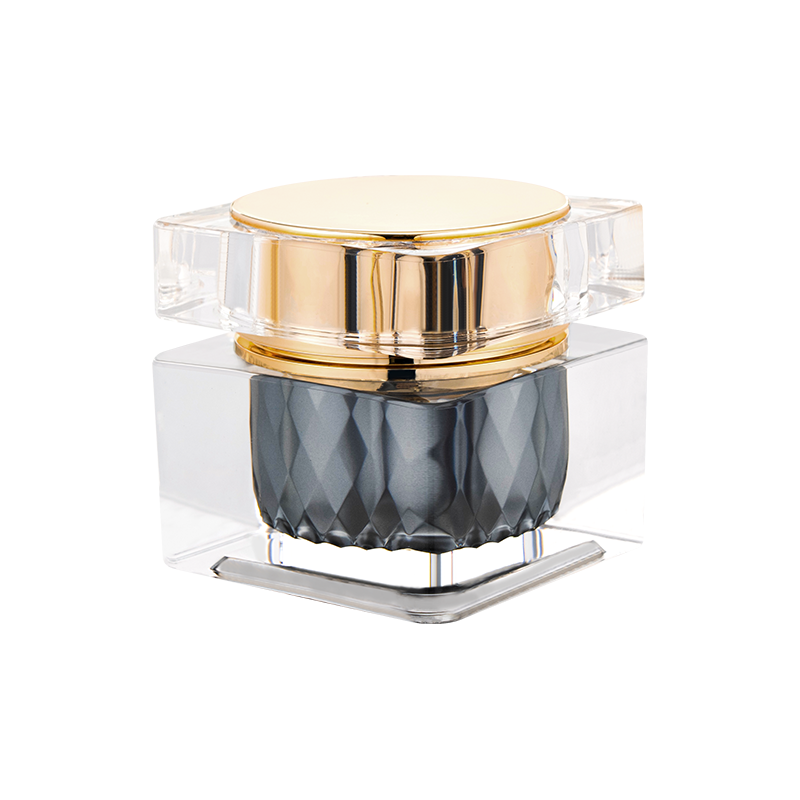
How to Choose a Cosmetics Cream Empty Bottle?
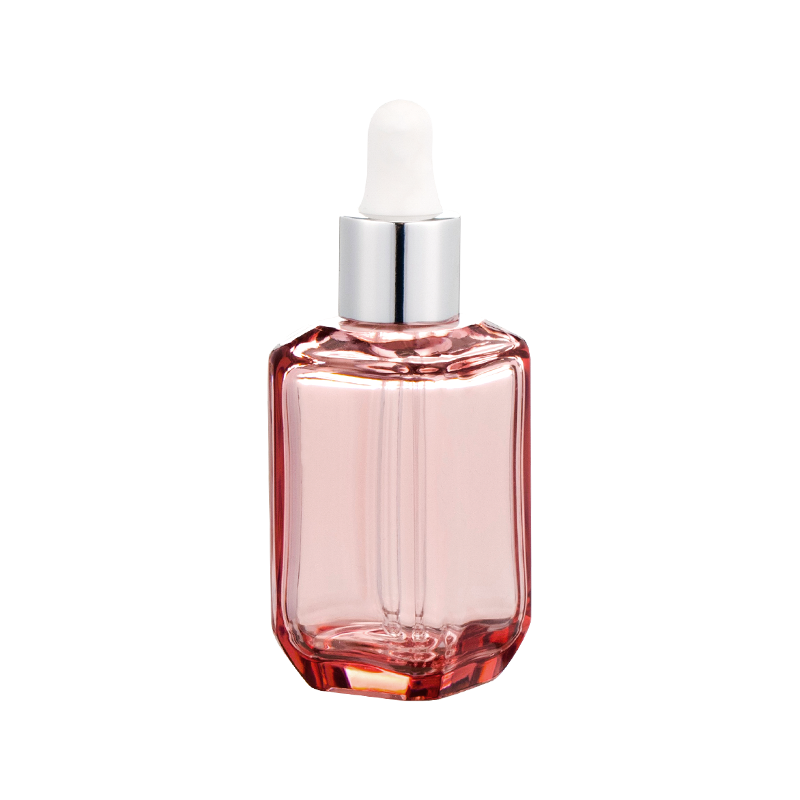
What Distinct Advantages Does the Square Thick-Bottom PETG Dropper Bottle Offer for Premium Liquid Packaging?
 HOT SALE
 HOT SALE
 HOT SALE
 HOT SALE
 HOT SALE
 HOT SALE
 HOT SALE
 HOT SALE
 HOT SALE
 HOT SALE
 HOT SALE
 HOT SALE
News Categories
COPYRIGHT Zhejiang Aluminum Master Packing Co., Ltd. ALL RIGHTS RESERVED.
China Cosmetics Bottle Pump Manufacturers