中文简体
中文简体 Français
 عربى
عربى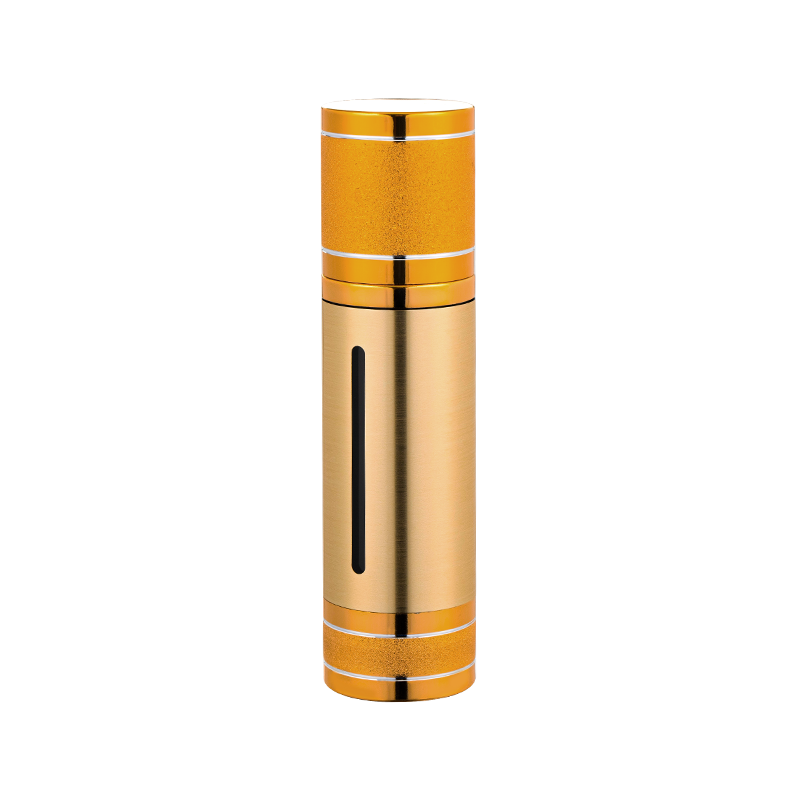
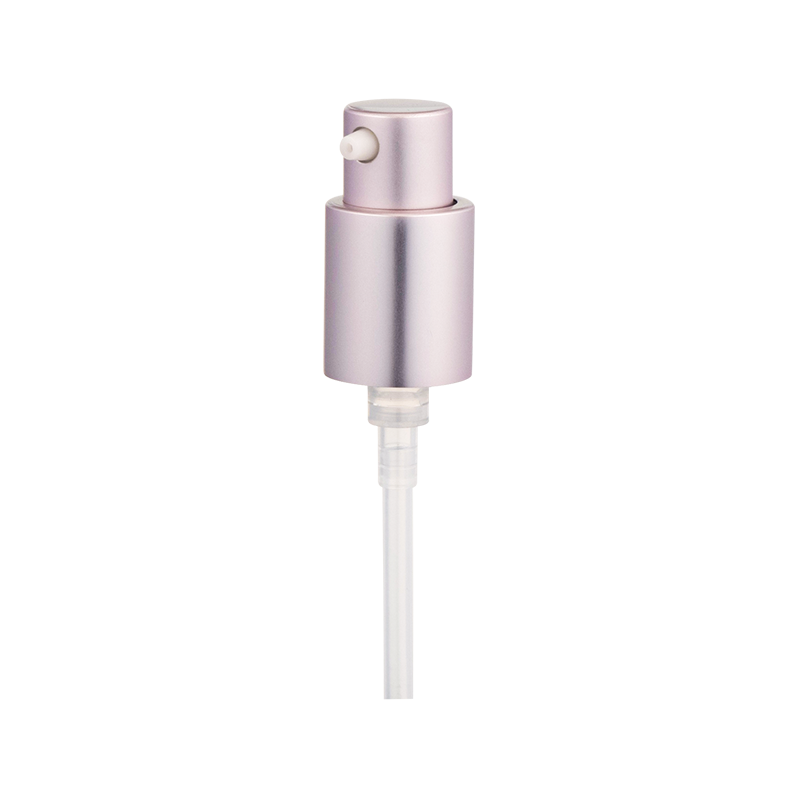
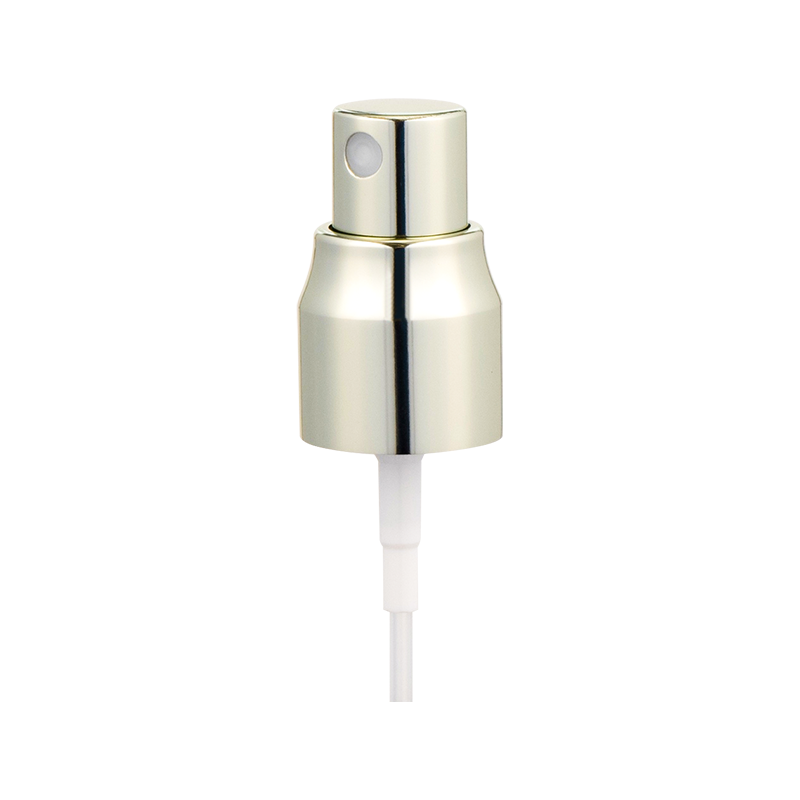
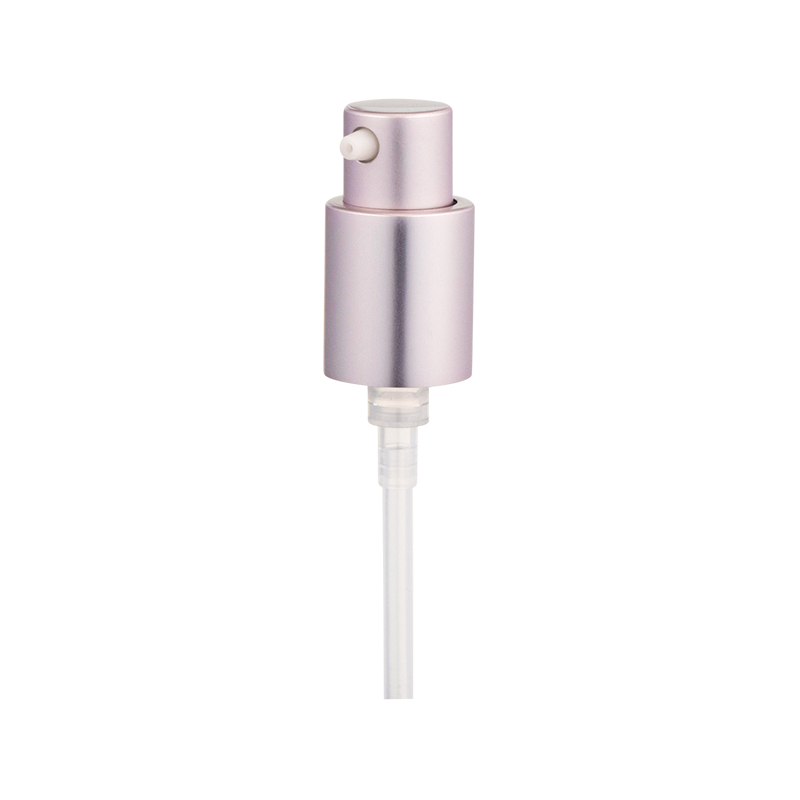
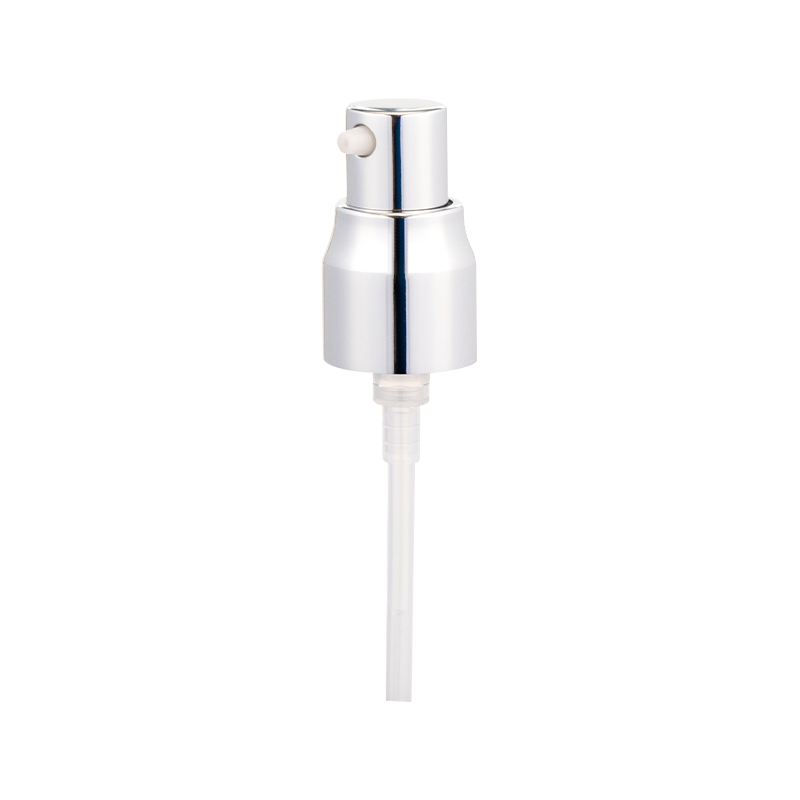
Electrochemical Aluminum Mist Spray Pump

In the highly competitive beauty industry, a product's success is determined long before the consumer experiences the formula inside. The packaging is the first point of contact, a silent salesperson that communicates brand identity, quality, and value. For creams, lotions, and serums, the Cosmetics Cream Empty Bottle is not merely a container; it is an integral part of the user experience and a critical component of brand strategy. The choice of bottle impacts everything from product preservation and ease of use to shelf appeal and sustainability. Selecting the right vessel requires a deep understanding of materials, dispensing mechanisms, design aesthetics, and manufacturing processes. This comprehensive guide will navigate you through the essential considerations, exploring the various types of cosmetic cream jars, weighing the pros and cons of plastic vs glass cream jars, delving into the functional elegance of airless pump bottles for cosmetics, and examining the strategic importance of custom cosmetic bottle design and wholesale cosmetic containers.
The foundation of any cream packaging decision lies in understanding the diverse landscape of available container types. The term "jar" encompasses a wide variety of shapes, sizes, and mechanisms, each suited to different product consistencies, market positions, and user habits. The most classic and widely recognized is the simple screw-top jar, a versatile option that offers a generous opening for easy access to thick products. For more controlled dispensing and to minimize product contamination, pump dispensers and airless systems have become increasingly popular. Jars also vary widely in their construction, with single-wall options being common for standard products and double-wall jars providing a more substantial, premium feel and added insulation. The choice of jar type is the first and most crucial step, as it directly influences the perceived value of the product, the preservation of its formula, and the overall convenience for the end-user. A thorough understanding of these options is the key to making an informed and strategic packaging choice.
The traditional and versatile choice for a wide range of cream-based products.
Modern solutions focused on hygiene, precision, and formula protection.
The construction of the jar significantly impacts its feel and perceived quality.
Your decision should align with your product's consistency, target audience, and brand positioning.
| Product Type | Recommended Jar Type | Reasoning |
| Thick Body Butter | Wide-Mouth Screw-Top Jar | Allows for easy access to the dense product. |
| Anti-Aging Serum Cream | Airless Pump Bottle | Protects sensitive, active ingredients from air exposure. |
| Luxury Face Cream | Double-Wall Jar with a Lid | Conveys a premium, high-quality feel and aesthetic. |
One of the most fundamental decisions in packaging is the choice between plastic and glass. This choice carries significant weight, influencing not only the cost and durability but also the consumer's perception of the brand. plastic vs glass cream jars represent two distinct philosophies. Glass has long been associated with luxury, purity, and premium quality. Its weight, clarity, and crisp feel convey a sense of high-end value, making it a perennial favorite for prestige skincare brands. It is also impermeable and chemically inert, offering excellent protection for sensitive formulas. Plastic, on the other hand, champions practicality, versatility, and sustainability. Modern plastics like PET, PP, and acrylic can be engineered to mimic the clarity of glass while offering superior durability, shatter-resistance, and lightweight properties that reduce shipping costs. Furthermore, the availability of recycled and recyclable plastics makes them an increasingly eco-conscious choice. The decision between these two materials is a strategic one, balancing brand image, budget, product requirements, and environmental responsibility.
Glass continues to be the gold standard for luxury and high-end cosmetic packaging.
Modern plastics offer a compelling combination of functionality and design flexibility.
The environmental impact of both materials is a key factor in modern packaging decisions.
This table outlines the key differences to help guide your material selection.
| Attribute | Glass Jars | Plastic Jars |
| Perceived Value | High; associated with luxury and premium quality. | Variable; can be standard or premium depending on design and finish. |
| Durability | Heavy and fragile; prone to breaking. | Lightweight and shatter-resistant; highly durable. |
| Cost | Higher material and shipping costs. | Lower material and shipping costs. |
| Customization | Limited to shaping, frosting, and color coating. | Highly moldable into complex shapes and various finishes. |
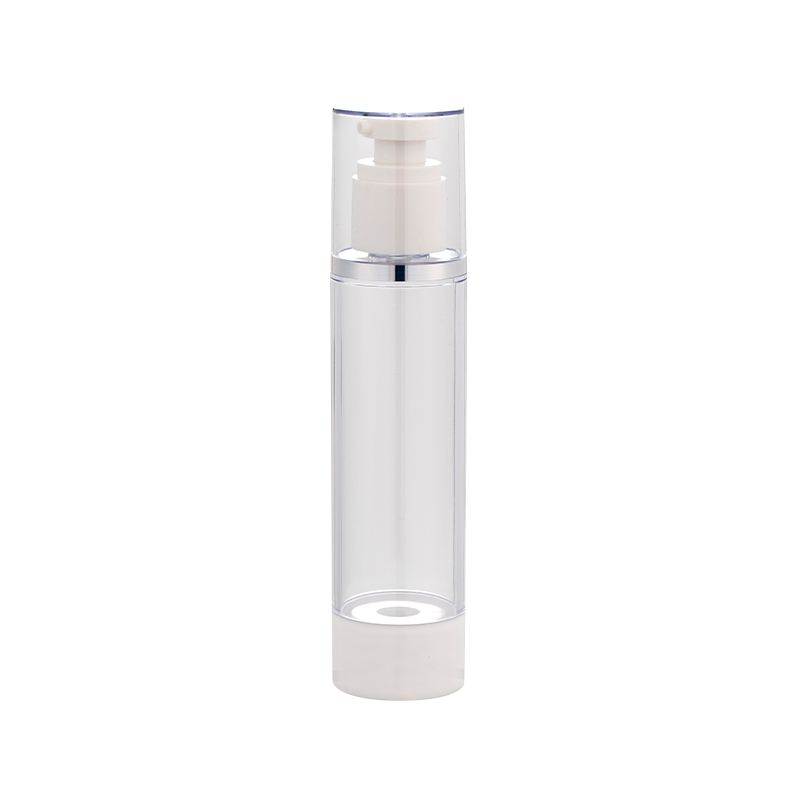
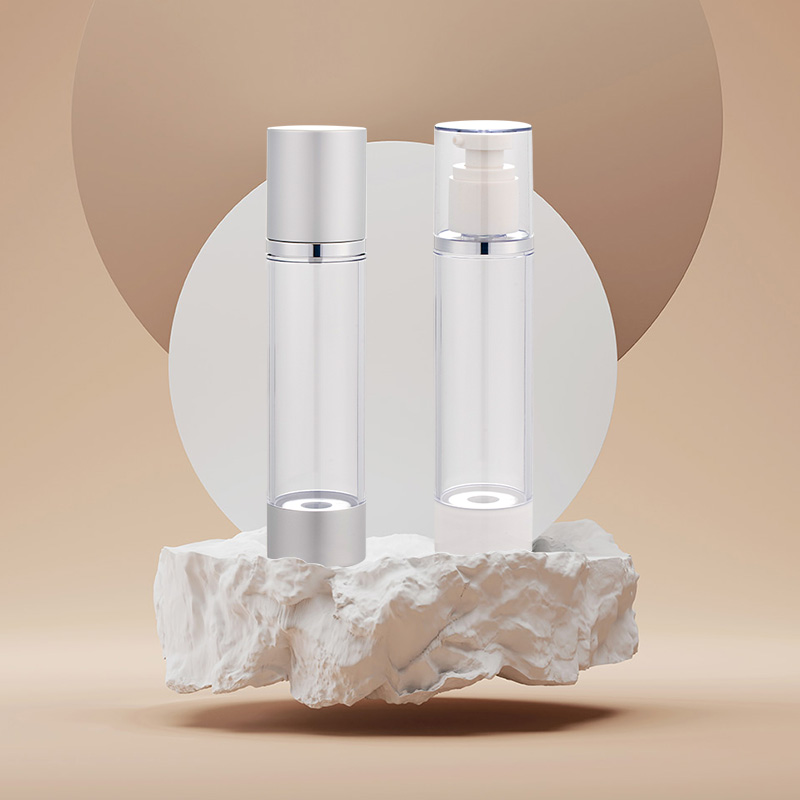
For formulators and brands focused on product efficacy and preservation, airless pump bottles for cosmetics represent a significant technological advancement. Unlike traditional pumps or jars that draw in air as the product is dispensed, airless systems operate on a vacuum principle. The product sits in a chamber with a movable piston at the base. When the pump is actuated, the piston rises, pushing the product up and out without allowing any air to enter the container. This design provides a superior environment for preserving the integrity of cosmetic formulas. By eliminating oxygen exposure, airless technology dramatically reduces the oxidation process, which can degrade active ingredients like vitamins, peptides, and botanical extracts. This not only extends the product's shelf life but also ensures that the consumer receives the full potency of the formula with every use. For high-end skincare, serums, and foundations, the switch to an airless system is a clear statement of a brand's commitment to quality and performance.
The science behind airless packaging is centered on creating an oxygen-free environment.
This technology is best suited for formulations with sensitive or potent active ingredients.
Beyond product preservation, airless bottles offer a superior user experience.
While superior, there are factors to consider before making the switch.
| Consideration | Details |
| Cost | Airless bottles are more complex and generally more expensive than traditional jars or pumps. |
| Compatibility | Not all formulas are compatible; very thick or high-viscosity products may not dispense properly. |
| Filling Process | Requires specialized filling equipment to ensure the vacuum is not compromised during manufacturing. |
In a crowded marketplace, a unique and memorable package can be the deciding factor that captures a consumer's attention. custom cosmetic bottle design is the process of moving beyond standard, off-the-shelf containers to create a packaging solution that is an extension of the brand itself. This goes far beyond simply applying a label to a stock bottle. True custom design involves shaping the very form of the bottle, engineering unique dispensing mechanisms, selecting distinctive materials, and developing signature finishes. A custom-designed bottle can tell a story, evoke a specific emotion, and communicate the core values of a brand—be it minimalist, luxurious, eco-conscious, or innovative. It is a powerful tool for building brand recognition and creating a proprietary look that competitors cannot easily replicate. Investing in custom design transforms the Cosmetics Cream Empty Bottle from a mere container into a powerful piece of brand equity.
Custom design is the ultimate expression of a brand's unique identity.
The design possibilities are virtually limitless when you opt for a custom approach.
The cap or pump is not just a functional part; it's a critical design element.
Bringing a custom design to life is a collaborative and structured process.
| Phase | Key Activities |
| Concept & 3D Modeling | Developing initial sketches and creating detailed 3D CAD models of the bottle and components. |
| Prototyping | Creating physical prototypes (often via 3D printing) to evaluate the ergonomics, aesthetics, and functionality. |
| Tooling & Production | Finalizing the design and creating the production molds needed for mass manufacturing. |
For startups, small businesses, or even established brands launching a new line, sourcing packaging efficiently and cost-effectively is a major operational challenge. This is where the market for wholesale cosmetic containers becomes an invaluable resource. Wholesale suppliers offer a vast selection of stock Cosmetics Cream Empty Bottle options, from simple jars to sophisticated airless pumps, at significantly lower price points than custom manufacturing. The key to success in this arena is not just finding the lowest price, but finding a reliable supplier who offers a consistent quality product. Sourcing wholesale requires careful vetting of potential suppliers, requesting samples to test for quality and compatibility, and understanding minimum order quantities (MOQs). By building a strong relationship with a reputable wholesale partner, brands can access high-quality, professional packaging without the immense upfront investment of custom tooling, allowing them to bring their products to market more quickly and profitably.
Purchasing stock containers in bulk offers several strategic advantages.
Vetting potential partners is the most critical step in the wholesale sourcing process.
Be prepared with a list of questions to ensure you're making an informed choice.
Finding the right wholesale supplier is a classic three-way balancing act.
| Factor | Considerations |
| Cost | The per-unit price, including any potential decoration or shipping costs. |
| Quality | The consistency of the product, the quality of the material, and the precision of the manufacturing. |
| Lead Time | The time it takes from placing an order to receiving the goods, which impacts your production schedule. |
The journey to selecting the perfect Cosmetics Cream Empty Bottle is a strategic exercise that blends art, science, and business acumen. It begins with a clear understanding of your product's needs and your brand's identity. Is the priority the premium feel of glass, or the practical durability of plastic? Does your formula require the airtight protection of an airless pump bottle for cosmetics? Will a standard jar suffice, or do you need the brand-defining power of custom cosmetic bottle design? Finally, how will you source your packaging—through the accessible path of wholesale cosmetic containers or a fully bespoke solution? By carefully weighing the pros and cons of each material, type, and sourcing strategy, you can choose a bottle that not only protects and preserves your product but also elevates your brand, delights your customers, and contributes to your overall success in the beauty marketplace.
The best packaging choice is one where the container's form, function, and material are in perfect harmony with the cream inside and the brand's story it tells. A luxury cream in a flimsy plastic jar feels inauthentic, just as an organic balm in an overly ornate glass jar can feel mismatched. Seek that perfect alignment.
Begin by defining your core requirements: product viscosity, target budget, and brand aesthetic. Order samples from multiple suppliers to test both the packaging itself and how your product interacts with it. Don't be afraid to invest in a unique design if it sets you apart. Your packaging is an investment in your brand's future.
The primary difference lies in the dispensing mechanism and the viscosity of the product they are designed for. A cream jar is an open-top container, typically with a screw-on lid, designed for thicker, more viscous products like body butters, balms, and rich creams. The wide opening allows the user to scoop out the product. A lotion pump bottle, on the other hand, is a closed system with a pump mechanism designed to dispense thinner, more fluid products like lotions, moisturizers, and liquid soaps. The pump provides a controlled, mess-free application and is more hygienic as it limits the product's exposure to air and fingers.
Yes, you absolutely can, and many brands do. The key is to choose the right type of plastic. High-quality, food-grade plastics like PET (Polyethylene Terephthalate), HDPE (High-Density Polyethylene), and PP (Polypropylene) all considered safe for cosmetic use and are compatible with natural formulations. Furthermore, many suppliers now offer plastic containers made with Post-Consumer Recycled (PCR) content, which aligns well with the eco-conscious values often associated with natural and organic brands. The most important step is to ensure your chosen plastic is chemically compatible with your specific formula to prevent any interaction or degradation.
A "double-wall" jar consists of two separate layers, or walls, of material (usually plastic) with an air gap in between. This construction gives the jar a more substantial, heavy, and premium feel compared to a single-wall jar, which is just a single layer of plastic. The double-wall design also provides some insulation, which can be beneficial for temperature-sensitive products. From a branding perspective, double-wall jars are often perceived as more luxurious and high-end, making them a popular choice for premium skincare and cosmetic lines.
The MOQ you need depends entirely on your business model, production scale, and storage capabilities. For a startup or small business testing the market, it's wise to find a supplier with a low MOQ, perhaps a few hundred or a thousand units, to minimize initial investment and risk. As your brand grows and sales become more predictable, you can order in larger quantities to benefit from lower per-unit costs. To determine your ideal MOQ, calculate your projected sales over a 3-6 month period and consider your budget and storage space. It's a balance between getting a good price and not tying up too much capital in inventory.
 HOT SALE
 HOT SALE
 HOT SALE
 HOT SALE
 HOT SALE
 HOT SALE
 HOT SALE
 HOT SALE
 HOT SALE
 HOT SALE
 HOT SALE
 HOT SALE
News Categories
COPYRIGHT Zhejiang Aluminum Master Packing Co., Ltd. ALL RIGHTS RESERVED.
China Cosmetics Bottle Pump Manufacturers