中文简体
中文简体 Français
 عربى
عربى
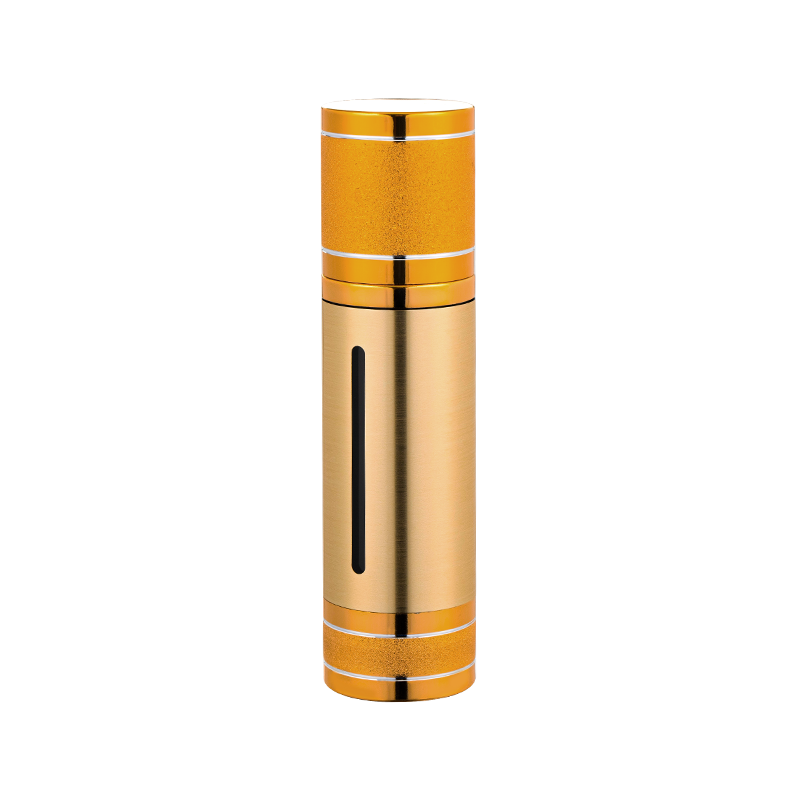
Electrochemical Aluminum Mist Spray Pump

In the world of cosmetics, personal care, and pharmaceuticals, the container is often the first point of physical interaction between a product and its user. While the lotion, cream, or serum inside is the star, its delivery and preservation depend critically on its packaging. A Lotion Pump Empty Bottle is far more than a simple vessel; it is a sophisticated, integrated dispensing system designed for hygiene, convenience, and controlled application. Typically made from plastics like PET, PP, or HDPE, these bottles come pre-equipped with a pump mechanism that includes a dip tube, chamber, piston, and spring, all sealed under a decorative closure. This system allows users to dispense a precise, pre-measured amount of product—often between 0.5ml to 3.0ml per pump—without ever touching the contents, thereby preventing contamination, reducing waste, and enhancing the user experience. For brands, selecting the right empty bottle is a critical decision that impacts cost, sustainability profile, brand aesthetics, and ultimately, customer satisfaction and loyalty. From airless pumps that protect sensitive formulas to luxurious decorative caps, the design options are vast and tailored to market needs.
Understanding the construction of a Lotion Pump Empty Bottle is key to specifying the right one for your product. The system is an assembly of several precision parts, each with a distinct role and material requirement. The bottle or jar itself acts as the primary container and is commonly injection blow-molded from Polyethylene (PE), Polypropylene (PP), or Polyethylene Terephthalate (PET). These materials are chosen for their clarity, chemical resistance, and ability to act as a barrier against moisture and oxygen. Attached to the bottle's opening is the pump mechanism. The exterior visible part is the actuator (the head you press), usually made of PP or Acrylonitrile Butadiene Styrene (ABS) for durability. When pressed, it activates an internal assembly: a piston moves within a chamber, drawing product up through a dip tube (often made of low-density polyethylene) and expelling it through the actuator's orifice. A spring (typically stainless steel for corrosion resistance) returns the actuator to its original position. The entire assembly is sealed to the bottle via a ferrule or gasket, usually made of softer materials like Santoprene, to prevent leakage. Finally, a decorative overcap or flip-top cap protects the actuator from dust and accidental dispensing during transport.
| Component | Primary Material(s) | Critical Function |
|---|---|---|
| Bottle Reservoir | PET (clear, glossy), PP (opaque, chemical resistant), HDPE (opaque, good barrier). | Stores the product; its opacity, barrier properties, and shape define shelf life and brand image. |
| Actuator (Pump Head) | PP, ABS, sometimes with a soft-touch silicone overlay for premium feel. | User interface; pressed to dispense; often includes a locking feature (turn-to-lock). |
| Dip Tube | LDPE (Low-Density Polyethylene), flexible and chemical resistant. | Extends to the bottom of the bottle to draw up product until the container is nearly empty. |
| Internal Mechanism (Piston, Chamber, Spring) | PP, Stainless Steel Spring, various engineering plastics. | Creates the pumping action, meters the dose, and ensures consistent delivery per stroke. |
| Closure & Gasket | PP Overcap, Santoprene or EPDM gasket/ferrule. | Seals the system to the bottle neck (gasket) and protects the actuator from contamination (overcap). |
Not all lotion pumps are created equal. The choice of pump design is dictated by the product's viscosity, sensitivity, target market, and desired user experience. The most common type is the standard lotion pump, suitable for most creams and lotions of medium viscosity. For higher-end or oxygen-sensitive products (like vitamin C serums, anti-aging creams), airless pump bottles are the gold standard. These systems use a piston or bag inside the bottle that rises as the product is dispensed, preventing any air from entering the container. This preserves the formula's efficacy by minimizing exposure to air and contamination. Another variation is the foam pump, which incorporates a mixing chamber with a porous element to aerate a liquid soap or cleanser, creating a rich foam upon dispensing. Locking pumps feature an actuator that can be twisted or snapped into a "locked" position to prevent leakage during travel—a critical feature for products in handbags or luggage. Furthermore, the finish and aesthetics are highly customizable: actuators can be color-matched, bottles can be silk-screened or labeled, and overcaps can be metalized, soft-touch coated, or adorned with custom shapes to align with brand identity.
Sourcing high-quality Lotion Pump Empty Bottles is a partnership that extends beyond simple procurement. A reliable supplier acts as a consultant, ensuring the chosen components meet functional, aesthetic, and regulatory standards. Key evaluation criteria start with compatibility testing: the pump materials must not interact with the product formula, which could cause swelling, cracking, or leaching. The supplier should provide material safety data sheets (MSDS) and, if necessary, conduct compatibility tests. Performance consistency is non-negotiable; every pump in a batch should deliver the same dose (+- 5% tolerance) and require a similar actuation force. Reputable manufacturers use Statistical Process Control (SPC) in production. For brands targeting global markets, understanding relevant regulations is crucial. In the European Union, packaging in direct contact with cosmetics must comply with EU Cosmetics Regulation (EC) No 12232009, and certain substances may be restricted. In the US, while the FDA does not pre-approve packaging, it must be manufactured under Good Manufacturing Practices (GMP). Suppliers with ISO 9001 and ISO 22716 (Cosmetics GMP) certifications demonstrate a commitment to quality systems. Finally, consider the supplier's capacity for customization, minimum order quantities (MOQs), lead times, and their ability to support you from prototyping through to full-scale production.
| Selection Criteria | Key Questions to Ask / Aspects to Verify |
|---|---|
| Material Safety & Compatibility | Can the supplier provide FDA/EU compliance statements? Will they perform a compatibility test with your specific formula? |
| Functional Performance | What is the dose accuracy and tolerance? What is the pump's output volume (ml/pump) and actuation force? Is it leak-proof when locked? |
| Regulatory & Certification | Does the supplier hold relevant quality certifications (ISO 9001, ISO 22716)? Can they provide documentation for REACH, RoHS, or Prop 65 compliance? |
| Supply Chain Reliability | What are the typical lead times and MOQs? Do they have a stable raw material supply and contingency plans for disruptions? |
| Design & Customization Support | Do they offer in-house mold design and tooling? Can they provide 3D renderings, prototypes, and color matching services? |
The core difference lies in how air interacts with the product. A standard Lotion Pump allows air to enter the bottle as product is dispensed to replace the volume. This can expose the remaining product to oxygen, potentially leading to oxidation, contamination, or formula degradation over time. An Airless Pump system is hermetically sealed. It uses a piston, bag, or diaphragm that moves upward as the product is dispensed, ensuring no air ever enters the container. This is superior for preserving the potency of active ingredients (like vitamins, retinols, or natural extracts), allows for nearly complete product evacuation (reducing waste), and is often perceived as more premium and hygienic by consumers.
Viscosity is the primary determinant. Low to Medium Viscosity products (like toners, milky lotions, liquid soaps) work well with standard pumps or mist spray pumps. Medium to High Viscosity products (most hand and body creams, thick serums) require a standard lotion pump with a wider dip tube and orifice. Very High Viscosity products (ointment-like creams, hair pomades) may need a specialized pump with a large-diameter actuator, a wide-mouth jar, or even a jar tube format instead. A qualified supplier can perform viscosity tests and recommend the appropriate pump mechanism, spring strength, and orifice size to ensure smooth, consistent dispensing.
Refillability and recyclability are increasingly important. Many standard pump bottles are technically refillable if the pump can be unscrewed, though this is not always designed for consumer ease. Some brands now sell larger refill pouches to reduce plastic waste. For recycling, the complexity is an issue. The bottle, cap, and pump are often made from different plastics (e.g., PET bottle, PP pump, metal spring). Consumers are generally advised to separate the pump mechanism (which is rarely recyclable curbside) from the bottle before disposal. The bottle itself, if made from a single, widely recycled plastic like PET or HDPE, can usually be recycled where facilities exist. Brands should check local recycling guidelines and consider designing for disassembly.
Output per pump (or "dose") refers to the precise volume of product dispensed with a single, full press of the actuator. It is a critical specification that affects user experience, product usage rate, and cost-in-use. Common doses range from 0.3ml for concentrated serums to 2.0ml or more for body lotions. A consistent dose ensures the user applies the correct amount every time, which is especially important for products with active ingredients where efficacy is dose-dependent. For the brand, knowing the dose allows accurate calculation of how many applications a bottle provides, which is essential for labeling, pricing, and supply chain planning.
Pump clogging is often caused by product drying in the orifice or mechanism. Several strategies can prevent this: 1) Choose a Pump with a Locking Feature: A turn-to-lock or flip-top cap seals the dispensing orifice from air when not in use. 2) Wipe the Nozzle Clean: Encourage users to wipe off any residual product from the actuator after each use. 3) Formula Considerations: Avoid formulations that are prone to forming surface films or crusts. Suppliers can sometimes apply a special coating to the internal mechanism to reduce adhesion. 4) Initial Priming: Ensure the pump is fully primed (dispensing product) before the first customer use to fill the mechanism and reduce air pockets where product can dry.
Selecting the right Lotion Pump Empty Bottle is a strategic decision that bridges the gap between brilliant formulation and successful market reception. It is an exercise in balancing physics (viscosity, dose control), chemistry (material compatibility), user psychology (ergonomics, aesthetics), and commerce (cost, sustainability). From the precise engineering of the internal pump mechanism to the brand-defining shape of the overcap, every detail contributes to the product's story and functionality. By deeply understanding the anatomy, variations, and selection criteria—and by partnering with a knowledgeable, quality-focused supplier—brands can ensure their product is not only protected and preserved but also delivered to the end user in a way that feels intuitive, luxurious, and trustworthy. In a competitive market, the right pump bottle is not just packaging; it is a silent ambassador for the quality and thoughtfulness of the brand itself.
 HOT SALE
 HOT SALE
 HOT SALE
 HOT SALE
 HOT SALE
 HOT SALE
 HOT SALE
 HOT SALE
 HOT SALE
 HOT SALE
 HOT SALE
 HOT SALE
News Categories
COPYRIGHT Zhejiang Aluminum Master Packing Co., Ltd. ALL RIGHTS RESERVED.
China Cosmetics Bottle Pump Manufacturers